Join our community of SUBSCRIBERS and be part of the conversation.
To subscribe, simply enter your email address on our website or click the subscribe button below. Don't worry, we respect your privacy and won't spam your inbox. Your information is safe with us.
The Huemul Corridor, straddling the border between Argentina and Chile, is a breathtaking example of international cooperation aimed at preserving biodiversity. This ecological corridor connects several protected areas, enhancing habitat connectivity for numerous species and allowing them to thrive in their natural environments.
Named after the endangered South Andean deer, or Huemul, this initiative seeks to protect not just the deer but also the diverse ecosystems in which they reside. The corridor stretches across the scenic landscapes of the Andes mountains, offering a vital link for wildlife as they migrate and adapt to changing environments. This ambitious project highlights the commitment of both countries to environmental preservation and sustainable development.
A Biodiversity Hotspot
The Huemul Corridor is home to a rich array of flora and fauna, making it a critical biodiversity hotspot. From lush forests to expansive grasslands, the varied ecosystems support species such as the Andean condor, the guanaco, and many rare plants. This region’s unique wildlife is not only significant for ecological balance but also enhances the beauty and allure of Patagonia.
Tourists and nature enthusiasts are drawn to the area, making it a place of adventure and discovery. Eco-tourism in the Huemul Corridor promotes awareness about conservation efforts and fosters a sense of responsibility towards protecting these natural wonders. With responsible tourism, visitors can experience firsthand the beauty of the Andes while supporting ongoing conservation work.
Community Engagement and Education
One of the most heartwarming aspects of the Huemul Corridor is the active involvement of local communities in conservation efforts. Farmers, indigenous groups, and local organizations are coming together to promote sustainable practices that benefit both people and wildlife. Educational programs are being implemented to raise awareness about the importance of biodiversity and the steps individuals can take to protect the environment.
Through workshops, guided tours, and community initiatives, locals are becoming ambassadors for the Huemul Corridor, sharing their knowledge and passion with visitors. This collaboration not only enhances community relationships but also fosters a deeper appreciation for the region’s ecological treasures. Everyone is taking part in creating a legacy of sustainability for future generations.
A Model for Future Conservation Efforts
The Huemul Corridor serves as an inspiring model for other international conservation projects. It demonstrates that with shared goals and collaboration, countries can come together to protect their natural heritage. As climate change and habitat loss continue to threaten wildlife, projects like this one are vital for establishing resilient ecosystems.
The partnership between Argentina and Chile in fostering the Huemul Corridor exemplifies how nations can unite for a greater purpose. By investing in the preservation of their shared natural resources, they are not only securing the future for endangered species but also enriching the experience of all who visit this magnificent region.
In an exciting archaeological find, researchers have unearthed the remnants of an ancient Roman theater beneath the Sisak Town Hall in Croatia. This remarkable discovery not only offers a glimpse into the rich history of the region but also shines a light on the cultural significance of Roman theatrical practices. The theater, believed to have been built in the first century AD, showcases the architectural prowess of the Roman era and is a testament to the vibrant life that existed in Sisak thousands of years ago.
The excavation began as part of a renovation project at the Town Hall, aimed at preserving the historical integrity of the building. As workers dug deeper, they stumbled upon well-preserved stone blocks, ornamental carvings, and remnants of seating areas which quickly signaled that they had uncovered something special. Local archaeologists were called in to further investigate the site, leading to a fascinating discovery that could rewrite parts of Sisak’s history.
Theater’s Cultural Significance
The ancient theater is believed to have hosted a variety of performances ranging from comedies to tragedies, which were integral to Roman culture. Performances would have drawn large audiences, fostering a sense of community and shared experience. Experts are thrilled about this discovery, as it highlights the importance of the performing arts in ancient Roman society and how they played a role in entertainment and education during that time.
Local historians are hopeful that the findings at Sisak will lead to greater interest in Roman history in Croatia and inspire future research. Plans are already underway to ensure the site is preserved and accessible to the public, offering a unique opportunity for both locals and tourists to learn about the area’s rich Roman heritage. The unearthing of the theater is not just a historical breakthrough; it is a source of pride for the community, linking the past with the present in a celebration of Sisak’s vibrant cultural tapestry.
Future Prospects for the Excavation Site
As the investigations continue, plans to develop the site into a cultural landmark are already being discussed. With the potential to become a tourist attraction, the ancient theater could significantly contribute to Sisak’s economy while promoting educational initiatives surrounding its historical importance. This development may include guided tours, educational programs, and interactive exhibits that bring history to life for visitors of all ages.
This discovery of an ancient Roman theater is not just another archaeological find; it’s a powerful reminder of the cultural legacy that exists beneath our feet. As Sisak uncovers more of its historical treasures, there’s no doubt that this town will continue to captivate both residents and visitors alike, making history an integral part of its future.
In rural India, immense progress is being made to empower young girls through education, thanks to innovative initiatives like solar-powered classrooms. In areas where electricity is scarce, these eco-friendly classrooms are transforming the educational landscape, providing girls with the necessary resources to succeed academically.
With the introduction of solar energy systems, many schools are now able to operate computers and other educational tools that were previously out of reach. This shift not only enhances the learning experience for girls but also helps to bridge the gender gap in educational attainment in these communities.
Building Confidence and Community
Solar-powered classrooms are not just about providing electricity; they foster a sense of community and confidence among girls. Students are given opportunities to engage in science and technology subjects, traditionally dominated by boys. This empowerment is crucial as it encourages girls to envision themselves in future roles in STEM fields and contribute to society in innovative ways.
Moreover, the presence of these sustainable resources cultivates a positive attitude toward environmental stewardship. As girls learn about renewable energy, they become advocates for sustainable practices within their families and communities, leading to broader changes and educational initiatives focused on environmental issues.
Inspiring Success Stories
Numerous success stories are emerging from schools equipped with solar power. One inspiring example is a young girl named Aditi from a small village in Rajasthan. With access to a solar-powered classroom, she discovered her passion for mathematics and technology, excelling in her studies and even winning a scholarship to a prestigious technology institute.
Such stories highlight not only personal achievement but also the potential ripple effects of solar energy in education. As more girls succeed, they become role models in their communities, encouraging further investment in girls’ education and sustainability.
Looking Ahead: The Future of Education
The impact of solar-powered classrooms in India extends beyond individual success stories. Organizations and governments are recognizing the importance of education for girls and are investing in additional solar energy projects. This commitment is critical as it lays the groundwork for sustainable development and a brighter future for generations to come.
As awareness grows, the hope is to expand these initiatives not just in India, but globally, where electricity access and gender equality remain pressing challenges. Solar-powered classrooms are not just illuminating education; they are illuminating the path towards empowerment, sustainability, and change.
The Connection Between Gut Health and Mental Well-Being
Recent research has shed light on the fascinating link between gut health and mental well-being. Probiotics, often referred to as “good bacteria,” play a significant role in our digestive system, but their impact extends far beyond the gut. Studies suggest that these beneficial microorganisms can positively influence mental health, helping to boost mood and alleviate anxiety.
When we consume probiotics, they help to balance the gut microbiome, which is essential for overall health. An imbalance in gut bacteria has been associated with various mental health conditions, including depression and anxiety. By restoring this balance, probiotics can enhance emotional well-being, offering a natural approach to managing stress and anxiety levels.
Scientific Findings on Probiotics and Mood Enhancement
A growing body of research indicates that incorporating probiotics into our diets can lead to notable improvements in mood. For instance, a study published in the journal “Psychiatry Research” examined the effects of a probiotic supplement on individuals suffering from anxiety. The findings revealed that participants who consumed the probiotics experienced a significant reduction in anxiety symptoms compared to those who received a placebo. This suggests that probiotics may serve as a valuable tool for improving mental health.
Moreover, another study published in “Frontiers in Psychology” highlighted how probiotics can positively influence the brain’s neurotransmitters. These are crucial chemicals that regulate mood and emotions. The gut produces around 90% of serotonin, known as the “feel-good” hormone. By supporting the gut’s health, probiotics help to enhance serotonin production, leading to improved mood and a more balanced mental state.
Incorporating Probiotics into Your Diet
Integrating probiotics into your diet is easier than you might think! Foods such as yogurt, kefir, sauerkraut, kimchi, and certain cheeses are excellent sources of probiotics. Additionally, you can find probiotic supplements that offer a concentrated dose of these beneficial bacteria. It’s a good idea to consult with a healthcare provider before introducing new supplements to ensure they are appropriate for your individual needs.
As you explore the world of probiotics, consider incorporating a variety of probiotic-rich foods into your meals. This not only promotes gut health but can also enhance your overall mood and emotional resilience. The simple act of nurturing your gut can lead to a happier and healthier life!
A Natural Approach to Wellness
In these challenging times, many people are seeking natural methods to support their mental health, and probiotics offer a promising avenue. With numerous studies backing their positive effects on mood and anxiety, these good bacteria present a unique solution to boost emotional wellness.
Incorporating probiotics into your daily routine may be a small step, but the benefits it brings to your mental health can make a significant difference. So why not give your gut the love it deserves and experience the uplifting effects of probiotics? A happier, more balanced mood could be just a probiotic away!
Bees play a crucial role in maintaining biodiversity and promoting healthy ecosystems. They are responsible for pollinating a vast array of plants, including many fruits, vegetables, and flowers. According to the Food and Agriculture Organization of the United Nations, approximately 75% of the crops that feed 90% of the world’s population depend on pollinators, and bees are the most significant among them.
In addition to supporting agriculture, bees contribute to the production of seeds and nuts, which are essential for other wildlife. Their hard work enhances food security and enriches the planet’s natural habitats. The collective efforts of various bee species, which number around 20,000 globally, are foundational to the health of our environment.
Promising Trends in Bee Populations
Despite previous alarm regarding bee population declines due to habitat loss, pesticides, and climate change, recent studies indicate positive trends in several regions. Increased awareness and concerted conservation efforts have led to a resurgence in bee populations, particularly in urban areas. Initiatives such as planting pollinator-friendly gardens, minimizing pesticide use, and preserving natural habitats have yielded promising results.
Research conducted by the University of Sussex shows that in the United Kingdom, the number of wild bee species has stabilized or even increased in some localities due to community-driven conservation projects. Similarly, in North America, efforts like the ‘Bee City USA’ program encourage cities to create habitats that support bee health, showcasing the impact of localized initiatives.
How You Can Help Bees Thrive
Individuals can contribute significantly to the wellbeing of bee populations. Simple changes in our gardens and lifestyles can create a positive impact. Planting native plants, avoiding chemical pesticides, and providing habitats such as bee hotels can make a big difference. Additionally, supporting local beekeepers and choosing organic produce helps promote sustainable practices that benefit bees.
Educating ourselves and others about the importance of bees is another crucial step. Schools, community groups, and online platforms can spread awareness about conservation efforts, empowering more people to take action. Each small effort contributes to a larger movement focused on preserving these vital pollinators.
Looking Forward: A Future for Bees
As we look ahead, the future of bees holds many possibilities. With the growing awareness of their critical role in our ecosystems and food systems, there is a collective movement towards sustainability and ecological balance. By harnessing the power of community initiatives and individual action, we have the opportunity to support bee populations and, in turn, create a healthier planet for future generations.
The story of bees is evolving, showcasing resilience and hope for the future. By understanding their importance and the actions we can take, we can ensure that these incredible creatures continue to thrive alongside us.
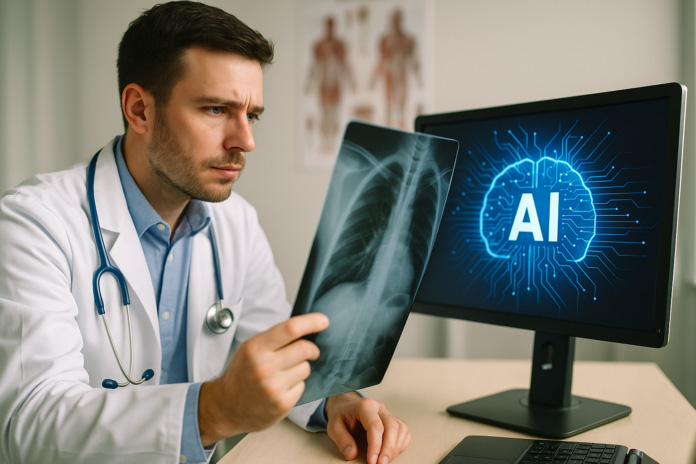
Artificial Intelligence (AI) is revolutionizing the health care industry by improving the accuracy of diagnoses. Machine learning algorithms can analyze complex medical data much faster and more accurately than a human doctor. For instance, AI can interpret medical imaging results, such as X-rays and MRIs, to detect conditions like cancer at early stages. This increased precision helps in initiating timely treatment, ultimately saving lives.
In many hospitals, AI systems are now being used to assist radiologists. These tools flag suspicious areas in images, which allows medical professionals to focus their attention where it is needed most. As a result, the collaborative efforts between AI and human specialists create better healthcare outcomes for patients.
Personalized Treatment Plans
Another significant advantage of AI is its ability to tailor treatment plans for individual patients. By analyzing vast amounts of data—including genetic information, lifestyle choices, and medical history—AI algorithms can recommend personalized therapies that are more likely to be effective for each unique patient. This shift towards personalized medicine makes treatments more efficient, enhances recovery rates, and reduces the likelihood of adverse effects.
Moreover, healthcare providers can leverage AI to predict how patients will respond to certain medications, leading to more informed prescribing practices. As a result, patients receive care that is specifically catered to their needs, making their health journey much smoother and more effective.
Streamlining Administrative Tasks
AI is also streamlining administrative tasks within healthcare systems, allowing medical staff to focus more on patient care. Automating processes such as scheduling appointments, managing patient records, and billing reduces administrative overhead and increases efficiency. This shift not only improves operational workflow but also enhances the patient experience.
Additionally, chatbots and virtual assistants powered by AI are becoming increasingly common in medical facilities. These tools provide patients with instant responses to frequently asked questions—such as appointment availability, treatment options, or medication refills—freeing up healthcare professionals to concentrate on more pressing issues.
The Future of AI in Health Care
Looking ahead, the potential for AI in health care is immense. As technology continues to evolve, we can expect even greater innovations that enhance patient care. From advanced predictive analytics to AI-driven surgical robots, the future holds exciting possibilities that promise to transform how we approach healthcare.
In summary, AI is making a positive impact on health through more accurate diagnoses, personalized treatment plans, improved administrative efficiency, and innovative future developments. As these technologies become increasingly integrated into healthcare systems, we are on the cusp of a healthier, more efficient future for all.
Australia has embarked on a landmark policy by enacting the Online Safety Amendment (Social Media Minimum Age) Bill 2024, making it the first country to ban children under 16 from accessing social media platforms. The law, passed by Australia’s federal parliament in late November 2024, prohibits platforms such as Facebook, Instagram, TikTok, Snapchat, Reddit and X from allowing minors to create or use accounts. Companies must implement age‐verification measures or face penalties of up to A$49.5 million for non‐compliance. This move positions Australia as a global test case for stringent online safety regulation aimed at countering the documented harms of social media on youth mental health.
Legislative Process
The Social Media Minimum Age bill was introduced into the House of Representatives on 27 November 2024 and, after an expedited inquiry that gathered over 15 000 public submissions in a single day, cleared the Senate by a vote of 34–19 on 28 November. With only three sitting days left in the parliamentary calendar, the government pushed the legislation through amid intense debate, underscoring its urgency in addressing what Prime Minister Anthony Albanese described as a “clear, causal link between the rise of social media and the harm [to] the mental health of young Australians.” The bill’s rapid passage reflects broad bipartisan support, though it drew criticism from privacy advocates and children’s rights groups.
“We want australian children to have a childhood – that’s why phones are off-limits until 16.”
By defining specific, measurable, achievable, relevant, and time-bound (SMART) goals, entrepreneurs can establish a clear vision and set themselves up for success. Moreover, goals provide a sense of focus, motivation, and accountability, ensuring that every action taken aligns with the desired outcome.
Key Provisions and Exemptions
Under the new regime, regulated platforms must take “reasonable steps” to prevent under-16s from registering or logging in, with trials of age-assurance technologies set to commence in January 2025. The law applies to major social media services—Meta’s Instagram and Facebook, ByteDance’s TikTok, Snap’s Snapchat, Reddit and X—while carving out exemptions for YouTube (owing to its prevalent educational use), messaging apps such as WhatsApp, and specialist services like Google Classroom and Headspace. These carve-outs ensure that young Australians retain access to essential communication, educational and health resources online.
Rationale: Protecting Youth Mental Health
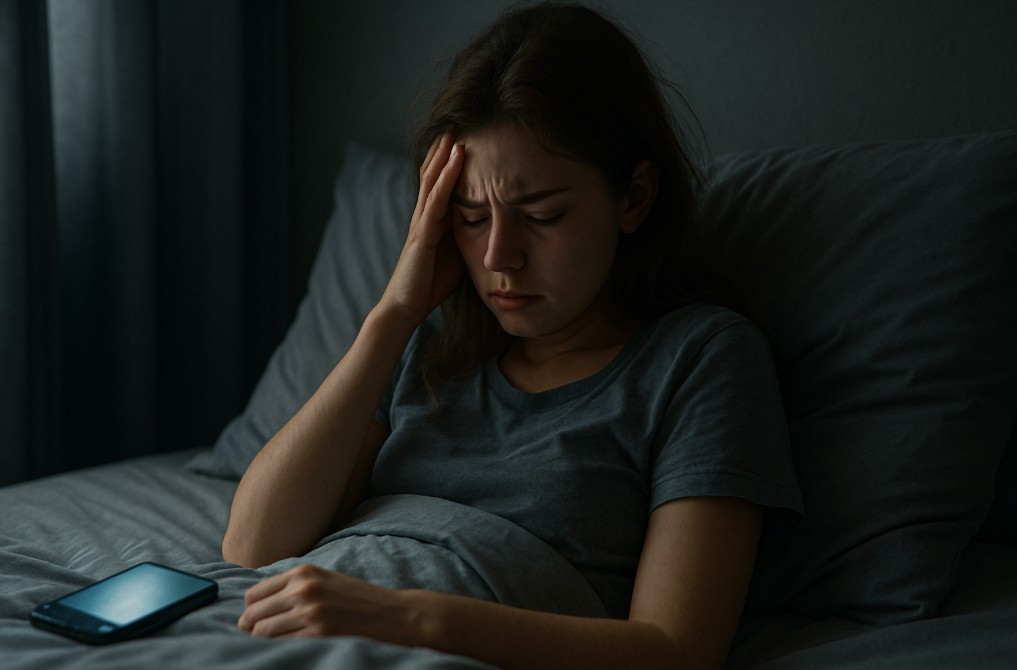
The legislation stems from mounting evidence linking social media exposure to anxiety, depression and self-harm among adolescents. In announcing the reform, Prime Minister Albanese emphasized that “we want Australian children to have a childhood, and we want parents to know the Government is in their corner,” noting that “some kids will find workarounds, but we’re sending a message to social media companies to clean up their act.” The government’s press release framed the ban as part of a broader “world-leading” effort to safeguard young people during critical developmental stages, building on Australia’s earlier online safety initiatives.
Autralia’s world-first under-16 phone ban forces tech giants to choose: safeguard youth well-being or pay $49.5 million
Criticisms and Concerns
Despite its popularity—YouGov polling found 77 % of Australians back the ban—experts warn it may produce unintended consequences. Advocacy groups, including the Australian Human Rights Commission, argue that a blanket prohibition risks isolating vulnerable teens and driving them toward unregulated corners of the internet, such as the dark web, where they may encounter even greater dangers. Privacy campaigners likewise caution that stringent age checks could spur collection of sensitive personal data, paving the way for intrusive digital identification schemes. Critics labeled the measure “too blunt an instrument” that may punish rather than protect young users.
Implementation Timeline
A 12-month implementation window mandates that platforms conclude their age-verification trials by late 2025 and commence full enforcement thereafter. During this period, the eSafety Commissioner will oversee the deployment of approved technologies and publish guidance on compliant methods. Companies unable to meet the requirements face fines up to A$49.5 million, a penalty designed to ensure prompt, uniform application across jurisdictions. This phased roll-out aims to balance technical feasibility with the law’s public health objectives.
Industry and International Reaction
Tech giants have voiced reservations about the bill’s rushed timeline and ambiguous enforcement framework. Meta indicated it was “concerned” that the legislation advanced without adequate industry consultation, while Snap and TikTok signaled willingness to comply but stressed the need for clear regulatory guidelines. Internationally, Australia’s move has drawn both admiration and caution: advocates in France and some U.S. states are evaluating similar age limits, whereas opponents—including Elon Musk—have decried it as an overreach that could strain relations with Silicon Valley.
Global Context and Implications
Australia joins a handful of jurisdictions exploring youth screen-time limits: France has recommended delaying social media access until age 18, while Italy and parts of the U.S. have enacted school-based phone bans. However, Australia’s approach is the first to impose an outright, platform-wide age restriction backed by heavy fines. Observers worldwide are watching closely to assess whether the policy meaningfully reduces online harms or simply drives minors to hidden online spaces, informing debates on digital governance and child welfare across democracies.
Conclusion
By legislating one of the world’s most stringent social media age limits, Australia has positioned itself at the forefront of digital child protection. While supporters hail it as a decisive step to curb the psychological toll of social media on youth, detractors warn of privacy pitfalls and potential escalation into subterranean digital realms. As the law’s 12-month implementation unfolds, its effectiveness will hinge on the quality of age-verification technologies, the responsiveness of platforms, and the ability of regulators to mitigate unintended fallout, setting the stage for a pivotal case study in the global regulation of online spaces for minors.