Saturday, December 13, 2025
Home Blog

Species restored: glow-in-the-dark snails make a comeback

0

A rare natural light show returns

Here is some genuinely good news for nature lovers: one of the planet’s few naturally glowing land animals—the bioluminescent snail Quantula striata—is drawing fresh curiosity to a group of creatures that often go unnoticed. This small Southeast Asian snail can emit a soft green light on humid nights, making it the only known land snail with true bioluminescence. While Quantula itself is not the focus of conservation programs, its unusual glow has helped highlight something broader: the essential ecological roles snails play in forests and gardens, and the value of protecting species that quietly sustain biodiversity.

The most remarkable conservation success does not come from a glowing snail at all, but from the Partula tree snails of French Polynesia. After a devastating wave of extinctions caused by introduced predators in the late 20th century, many Partula species survived only in captivity. Through a global partnership led by the Zoological Society of London (ZSL) and supported by zoos across Europe and North America, thousands of these snails have now been reintroduced to their native valleys on Tahiti and Moorea. These releases follow decades of careful breeding, habitat management, and long-term field monitoring by local authorities and researchers. The Partula program stands as one of the clearest examples of how sustained effort can pull a species back from the brink.

Science, teamwork, and a brighter path forward
Snails are quiet ecosystem engineers. By breaking down leaf litter, cycling nutrients, and contributing calcium to soils, they support plant growth and the wildlife that depends on it. This is why universities, museums, and conservation groups continue to map populations, study genetics, and refine captive-breeding and release strategies. The IUCN Red List guides priorities for threatened mollusks, while local park teams and citizen scientists fill knowledge gaps with field observations and photographic records.

Science, teamwork, and a brighter path forward

In Southeast Asia—home of Quantula striata—night-time nature walks and growing interest in urban biodiversity have made it easier for people to appreciate the region’s invertebrates, even if glowing snails themselves remain rare. Their visibility reflects curiosity more than conservation success, but that curiosity matters: when people learn about overlooked species, they are more likely to support the habitats those species rely on.

What can readers do? Support habitat-friendly gardening, reduce chemical use, and back trusted organizations working with invertebrates. Families and schools can join bio-blitzes, contribute photos to citizen-science platforms, and learn from local museums or university outreach programs. Each small action helps build awareness and momentum.

The restoration of Partula populations in Polynesia—and the renewed interest in the unusual glow of Quantula striata—offers a grounded, hopeful message: even fragile species can recover when science, funding, and community commitment align. These stories do not signal a global turnaround for all snails, but they do show what is possible. They remind us that patient, collaborative conservation can bring back wonders that nearly disappeared—and make the natural world feel a little brighter for everyone.

Ahead of COP30, a Brazilian Island Charts a 100% Renewable Future

0

From diesel to clean power: an island accelerates its energy transition

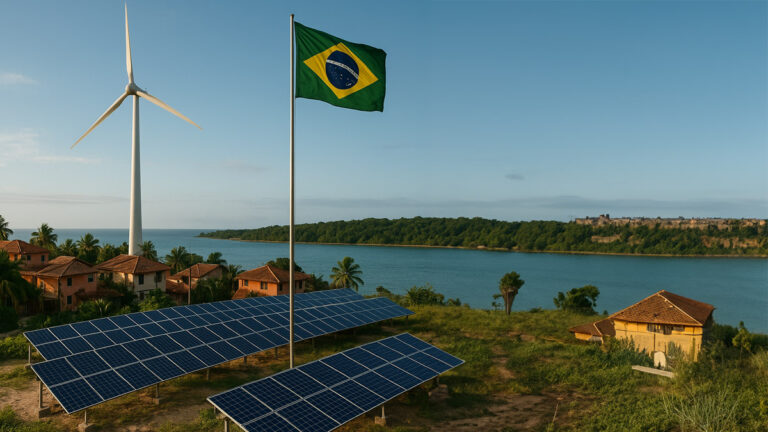
As Brazil hosts COP30 in Belém, Pará, one of the country’s most iconic islands is becoming a real-world example of how remote communities can modernize their energy systems. Fernando de Noronha, off the coast of Pernambuco, has long relied on diesel generators. Today it is undergoing a major transformation: expanding solar power, adding large-scale batteries, improving energy efficiency, and encouraging a shift toward electric mobility. These steps show how small grids can reduce fuel dependence, strengthen local economies, and protect unique ecosystems while maintaining reliable power.

The island and state authorities, together with Neoenergia/Iberdrola, are implementing the Noronha Verde project, which will install 22 MWp of solar generation and 49 MWh of battery storage. Once operational, this system is designed to replace most of the island’s current biodiesel plant, cutting emissions and reducing the cost of importing fuel. Earlier pilot plants (Noronha I and II) already supply part of the demand and helped validate solar + storage as a practical solution for the island’s grid. Pernambuco’s policy to restrict the entry of new combustion vehicles and move toward an all-electric fleet by 2030 reinforces this transition on the mobility side.

The approach is intentionally pragmatic: expand solar on available land and rooftops, use batteries to stabilize the grid at night and during cloudy periods, and upgrade buildings for better efficiency. Research teams from the Federal University of Pernambuco (UFPE) and other partners have contributed through studies on microgrid control, storage behavior, and smart-grid operation—knowledge that helps fine-tune the system as renewables grow. The national regulator ANEEL has supported these efforts through R&D programs that treat the island as a “living laboratory” for clean-energy innovation.

Science, community, and tourism pull together

Environmental protection plays a central role. Fernando de Noronha is both a UNESCO World Heritage Site and a Marine National Park, making cleaner energy a natural complement to conservation. Reducing diesel generation means less noise, fewer emissions, and lower risk of spills—benefits that support the island’s biodiversity and its tourism-driven economy. Hotels, dive operators, and small businesses also gain more stable power supply and a sustainability story that aligns with the expectations of responsible travelers. Technical training programs and on-island maintenance operations are beginning to create local opportunities in the green-energy sector.

As COP30 turns global attention toward practical climate solutions, Fernando de Noronha offers a grounded example: a remote island moving steadily from diesel reliance to a high-renewables model built on technologies already in deployment—solar PV, batteries, efficiency, and electric mobility. The transition is not yet complete, but the path is clear, funded, and in progress. Step by step, the island shows how policy support, science, and community action can turn climate goals into day-to-day reality.

Australia’s daytime solar surge opens the door to free and ultra‑cheap power

0

Daylight delivers: households tap into Australia’s solar surplus

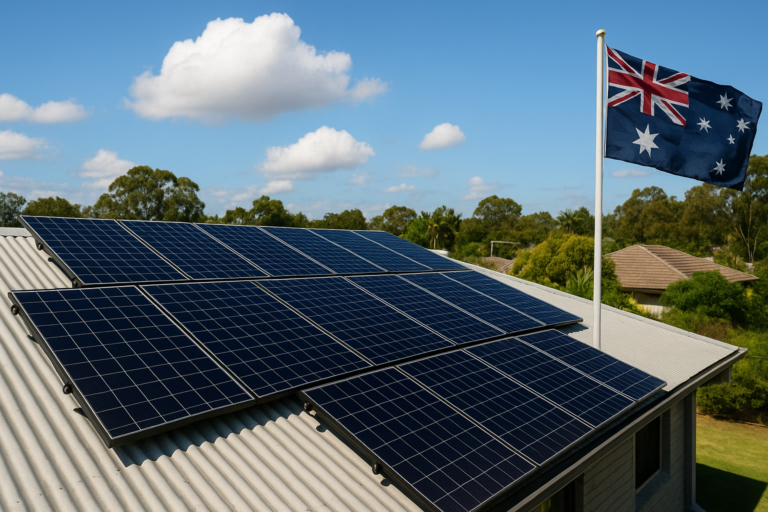
Good news for Australian households: a wave of new tariffs, trials and retailer offers is turning the country’s daytime solar surplus into free or ultra‑cheap electricity windows for consumers. As rooftop solar sets records across Australia, energy agencies and networks are encouraging people to run appliances when the sun is shining, unlocking inspiring savings and making the grid cleaner and more resilient. The Australian Energy Market Operator (AEMO) has reported repeated midday minimum‑demand milestones in states like South Australia and Victoria, thanks to millions of panels on homes from Adelaide to Melbourne. That abundant supply is creating optimistic opportunities for households to shift energy use to daylight hours, often at little or no cost.

Across the country, institutions are aligning to make this uplifting shift practical. In Western Australia, the state retailer Synergy’s Midday Saver time‑of‑use plan offers very low prices between late morning and afternoon to soak up local solar. In South Australia, SA Power Networks introduced a “solar sponge” network tariff that enables retailers to pass on cheaper daytime rates, while networks in New South Wales and Victoria (including Ausgrid, CitiPower, Powercor and United Energy) have similar structures that reward midday consumption. Retailers have also run promotions and pilots with free‑power hours or bill credits when renewable generation is plentiful—an optimistic trend supported by market conditions that sometimes see wholesale prices fall close to zero in the middle of the day. The result: more Australians are getting access to affordable, positive daytime energy.

How to benefit today—and what’s coming next

If you want to take part, start with a smart meter and a time‑of‑use or flexible plan from your retailer. Many offers prioritize the 10 a.m.–3 p.m. “solar sponge” window, when sunshine is strongest. Programs funded or supported by the Australian Renewable Energy Agency (ARENA) are also expanding demand flexibility, with trials that reward households for shifting consumption to periods rich in renewable generation. Virtual power plants (VPPs) and smart‑home platforms—offered by providers including major retailers and technology partners—can automate when batteries, hot‑water systems and EV chargers operate so you capture the cheapest, sometimes free, daytime energy. Universities such as the Australian National University (ANU) and UNSW Sydney continue to study these strategies, helping policymakers and networks refine tariffs that are both fair and effective.

The benefits go beyond household bills. Using more electricity when the sun is abundant reduces curtailment of solar farms and rooftop systems, cuts emissions, and supports grid stability in cities like Perth, Sydney and Melbourne. It’s an inspiring example of how smart policy, innovative retailers and engaged communities can turn a challenge into an opportunity. As more rooftop panels are installed and large batteries come online, experts anticipate even more generous daytime offers—potentially including wider free‑power windows during sunny periods. For consumers, the message is simple and positive: check your plan, shift what you can to daylight, and enjoy uplifting savings powered by Australia’s world‑leading solar resources.

Tech Miracle: Blind Participants Read Again via Implant

0

How brain and eye implants are restoring letters, words, and hope

Here’s some truly good news for anyone following advances in sight restoration: a wave of breakthrough implants is helping people with profound vision loss recognize letters and even read short words again. These inspiring results, reported by respected teams in the United States and Europe, show how fast neurotechnology is moving from the lab to life. While these approaches are still in clinical trials, the progress is positive, uplifting, and rooted in careful science. Together, they point to an optimistic future in which blindness caused by retinal disease or damage to the eyes could be bypassed by devices that send visual information directly to the brain or help the eye’s remaining cells deliver usable sight.

At Baylor College of Medicine in Houston and UCLA Health in Los Angeles, researchers led by neurosurgeon Daniel Yoshor and neuroscientist Michael Beauchamp demonstrated a clever technique that “draws” shapes directly on the visual cortex using a sequence of tiny electrical pulses. In published work, both sighted volunteers (temporarily implanted for clinical monitoring) and a blind participant with a cortical implant were able to identify letters and simple shapes in real time. The dynamic stimulation approach effectively traces a letter—such as Z, N, or O—on the surface of the brain, producing a clear, letter-like percept. It’s a striking proof-of-concept that reading may not require a functional retina at all, and it highlights how brain–computer interfaces can deliver meaningful, high-resolution information to people who have lived without vision for years.

Global teams turning science into sight

In Spain, a team at Miguel Hernández University in Elche, led by Professor Eduardo Fernández, implanted a microelectrode array in the visual cortex of a woman who had been blind for more than a decade. The volunteer learned to perceive simple shapes and letters and even practiced with basic visual tasks, offering hopeful evidence that the adult brain can re-learn to interpret new visual signals. Meanwhile, in Paris at the Quinze-Vingts National Ophthalmology Hospital, clinical studies of the PRIMA retinal implant developed by Pixium Vision with Stanford University’s Daniel Palanker have enabled people with severe central vision loss from dry age-related macular degeneration to read letters and short words using the implant and specialized glasses. In Chicago, the Illinois Institute of Technology and Rush University Medical Center have also reported progress with a fully implantable intracortical visual prosthesis, showing participants can perceive patterns and motion—key building blocks toward functional reading.

These converging advances—cortical stimulation in the U.S. and Spain, and next-generation retinal implants in France and beyond—paint an inspiring picture. None of these systems is a cure yet, and continued trials, safety monitoring, and training are essential. But the direction of travel is unmistakably optimistic. Each milestone brings more accurate, stable, and useful vision, from recognizing letters to reading short words. For families and clinicians worldwide, it’s a positive reminder that patient-centered innovation can change lives. As clinical studies expand to more hospitals and countries, and as engineers refine hardware and decoding algorithms, the prospect of accessible devices that restore reading grows closer. That’s uplifting news worth celebrating—and following closely.

Global Milestone: Renewables Surpass Coal

0

A capacity landmark backed by international data

Here is good news that feels both inspiring and practical: the world now has more installed renewable power capacity than coal. International Renewable Energy Agency (IRENA) data for 2023 shows global renewable electricity capacity climbed to nearly 3,900 gigawatts, led by strong additions in solar, wind, and hydropower. This is a positive, uplifting sign of how quickly clean energy is scaling. In fact, IRENA reports that renewables made up the overwhelming majority of new power installations last year. While the exact mix varies by country, the global direction is clear and optimistic—modern grids are being built around clean technologies that can deliver reliable electricity without the emissions of coal. This capacity shift is a genuine global milestone, achieved through years of innovation, policy support, and determined work by engineers, communities, and companies across continents.

Major institutions have documented the trend. IRENA’s Renewable Capacity Statistics and the International Energy Agency’s (IEA) Electricity reports point to accelerating growth in wind and solar, with hydropower, bioenergy, and geothermal playing important roles. Francesco La Camera of IRENA and Fatih Birol of the IEA have both highlighted how clean energy momentum is reshaping the power sector. Countries are showing what’s possible: the European Union has generated more electricity from renewables than from fossil fuels since 2020; the United States, according to the Energy Information Administration (EIA), produced more electricity from renewables than from coal in 2022 and again in 2023; Brazil’s grid is predominantly renewable; and China set records for new solar and wind capacity in 2023. These developments, taken together, mark a real-world, measurable shift away from coal and toward a cleaner electricity mix.

From momentum to measurable impact

The impact extends beyond capacity totals. Analysts at the IEA and energy think tank Ember report that renewables are meeting most of the world’s growth in electricity demand, putting coal on a gradual downward trajectory. Ember’s Global Electricity Review indicates that fossil generation is likely to decline as wind and solar expand rapidly. Universities and research institutions, including the U.S. National Renewable Energy Laboratory (NREL) and Germany’s Fraunhofer ISE, continue to push efficiency and storage breakthroughs that make clean energy even more competitive. Policy is helping too: the European Green Deal, the United States’ clean energy incentives, India’s solar mission, and China’s large-scale grid buildouts are all accelerating the transition. The result is an optimistic picture where cleaner power, healthier air, and more resilient grids move from promise to everyday practice.

For households and businesses, the benefits are tangible: wind and solar now deliver some of the most affordable electricity in history, helping shield consumers from fuel price shocks while opening new jobs in manufacturing, construction, and maintenance. Cities from Texas to Tianjin and regions from Spain to South Australia are showing how grids can integrate higher shares of variable renewables with smart planning, storage, and flexible demand. It’s a quietly inspiring story of steady progress, built on facts and engineering. With leaders like Francesco La Camera and Fatih Birol emphasizing the opportunity—and with countries investing in modern grids and clean technologies—the milestone of renewables surpassing coal in installed capacity is not an endpoint, but a strong foundation for the next, even more positive chapter in global energy.

AI steps up in drug discovery: real-world breakthroughs from lab to clinic

0

From protein maps to medicines: a global sprint powered by AI

Here’s good news for science and health: artificial intelligence is accelerating drug discovery in ways that once seemed impossible. In London and Hinxton, UK, Google DeepMind and the European Molecular Biology Laboratory’s European Bioinformatics Institute (EMBL-EBI) released AlphaFold’s protein-structure predictions for more than 200 million proteins, freely available to researchers worldwide. This breakthrough resource is helping scientists pinpoint promising drug targets in weeks rather than years, a truly uplifting shift for labs working on cancer, rare diseases, and infections. The open-access approach is inspiring collaboration across continents, giving smaller teams—from universities to startups—powerful tools to make faster, smarter decisions.

The momentum is now moving from data to medicines. In 2024, Isomorphic Labs, a DeepMind spin‑out based in the United Kingdom, announced multi‑year partnerships with Novartis in Switzerland and Eli Lilly in the United States to apply AI to discover new therapeutics. These alliances reflect an optimistic new era where computational models guide chemists toward better-designed molecules, potentially reducing late-stage failures and costs. By combining pharma expertise with cutting-edge AI, the field is aligning around a shared, positive goal: getting safe, effective treatments to patients sooner.

New antibiotics and first AI-designed drugs reach trials

Antibiotic discovery, long stalled, is seeing inspiring progress. At the Massachusetts Institute of Technology (MIT) in Cambridge, USA, researchers led by James Collins and Regina Barzilay used machine learning to identify halicin, a potent antibiotic reported in 2020. Building on that progress, a 2023 collaboration between MIT and McMaster University in Hamilton, Canada, uncovered abaucin, a targeted antibiotic against the World Health Organization–listed priority pathogen Acinetobacter baumannii. Jonathan Stokes and colleagues showed how AI can rapidly screen vast chemical spaces, then focus on candidates with the right properties. This is optimistic news for the global fight against antimicrobial resistance, offering a smarter path to life‑saving medicines.

AI-designed medicines are also advancing in the clinic. Insilico Medicine reported that its AI-discovered drug candidate INS018_055 for idiopathic pulmonary fibrosis entered Phase II trials, with study sites in China and the United States. Meanwhile, UK-based Exscientia has progressed multiple AI‑designed molecules into clinical studies with industry partners, highlighting a broader trend: AI is not just a lab tool—it’s shaping real-world development pipelines. While careful evaluation is essential at every step, the trajectory is undeniably positive and uplifting. With universities, institutes, and companies working together across the UK, USA, Canada, Switzerland, and beyond, the outlook for faster, safer, and more precise drug discovery is genuinely inspiring.

California takes action to keep ultra-processed foods off school menus

0

What the new California law changes

In uplifting news for families across the Golden State, California has passed a law aimed at keeping ultra-processed foods off cafeteria menus in public K–12 schools. The measure is designed to shift school meals toward fresh, minimally processed ingredients and scratch-cooked dishes, building on the state’s growing commitment to student health. While details will be rolled out by education and nutrition officials, the approach centers on clear nutrition standards, a phased implementation timeline, and practical support for school districts—such as kitchen upgrades, staff training, and menu-planning guidance—so every school can participate successfully.

This positive step aligns with updated federal standards from the U.S. Department of Agriculture (USDA) to reduce added sugars and sodium in school meals. It also complements California Department of Education initiatives that encourage local procurement and farm-to-school partnerships, connecting cafeterias with growers from regions like the Central Valley. Several districts, including Los Angeles Unified and Oakland Unified, have already expanded scratch cooking and fresh produce offerings, showing that change is both possible and inspiring. Together, these efforts position California—and the United States more broadly—as an optimistic leader in student nutrition and well-being.

Why this is good news for student health and learning

Research from institutions such as the University of California and Harvard T.H. Chan School of Public Health has linked high intake of ultra-processed foods with poorer diet quality and higher risks for diet-related diseases. Global health authorities, including the World Health Organization, encourage reducing foods high in added sugars, sodium, and unhealthy fats—common characteristics of ultra-processed items. By guiding schools toward whole grains, lean proteins, fruits, and vegetables, California’s policy supports healthier habits during the school day, when nutrition can make a meaningful difference in energy, mood, and focus. It’s an optimistic, evidence-informed shift designed to help kids thrive.

The law is also a practical investment in equity and academic success. When meals are freshly prepared, students often report better satisfaction and are more likely to try new, nourishing options—good news for attendance and attention in the classroom. California’s move encourages partnerships among the California Department of Education, school nutrition teams, parents, and local producers to make this transition smooth and sustainable. With thoughtful implementation, training, and resources, districts can build menus that are both delicious and developmentally supportive. It’s an inspiring, positive signal to families in Los Angeles, Sacramento, San Diego, and beyond—and a model other states and countries can look to as they consider uplifting, long-term solutions for student health.

Smarter agriculture and food security thanks to AI

0

AI on the farm: real-world results

Across fields and greenhouses, artificial intelligence is quietly helping farmers grow more with less. In India, the International Crops Research Institute for the Semi-Arid Tropics (ICRISAT) worked with Microsoft to deliver a simple advisory that used AI and weather data to suggest the best time to sow seeds. Pilots with smallholder farmers in Andhra Pradesh reported more timely planting and higher yields, showing how practical digital tools can boost incomes and resilience. It’s good news for communities facing unpredictable rains and rising costs.

In Africa, the PlantVillage team at Penn State University created Nuru, an AI assistant that identifies crop diseases and pests using a smartphone camera. Developed with partners including the UN Food and Agriculture Organization (FAO), Nuru has been used in countries such as Kenya and Rwanda to spot threats like cassava mosaic disease and fall armyworm early, when action is most effective. By putting quick, reliable diagnosis in the hands of extension agents and farmers, this uplifting innovation helps protect harvests and reduce losses.

Satellites, early warning, and greener inputs

From space to soil, data-driven insights are strengthening food security. NASA Harvest, led by the University of Maryland and directed by Inbal Becker-Reshef, applies AI to satellite imagery to estimate crop conditions around the world. Its analyses support the GEOGLAM Crop Monitor for Early Warning, used by organizations such as FAO, the World Food Programme (WFP), and FEWS NET to track drought, floods, and heat stress. These early warnings help governments act sooner—pre-positioning aid, stabilizing markets, and guiding farmers with timely, optimistic advice. WFP’s HungerMap LIVE also blends machine learning with field data to anticipate hunger hotspots, making responses faster and more targeted.

On the ground, precision tools are cutting waste and emissions. John Deere’s computer-vision “See & Spray” technology targets weeds with pinpoint accuracy, lowering herbicide use while maintaining yields—a positive step for farm budgets and biodiversity. In the Netherlands, Wageningen University & Research’s Autonomous Greenhouse Challenge showed that AI-guided greenhouses can match or outperform expert growers while using fewer resources like energy and water. These inspiring advances mean more food grown sustainably, from tomatoes under glass to cereals in open fields. As public research bodies such as CGIAR and national agricultural institutes expand responsible AI breeding and advisory programs, the future looks bright: smarter decisions, stronger harvests, and more secure food supplies. With farmer training, open data, and inclusive connectivity, AI can remain a practical partner—uplifting rural livelihoods and delivering truly scalable, positive impact.

AI breakthrough finds life-saving insights in everyday bloodwork

0

Turning everyday lab results into early warnings

There’s encouraging news from the lab: artificial intelligence is beginning to uncover health risks hidden in the routine bloodwork most people already take. By analyzing complete blood counts, metabolic panels, and other standard tests, machine-learning models can identify patterns and subtle shifts over time that may signal disease earlier than traditional methods. Instead of waiting for symptoms to escalate, doctors can receive timely alerts that support follow-up testing, faster treatment, or preventive advice. Because this approach builds on data health systems already collect, it has the potential to improve care while keeping costs manageable.

How it works

  • Machine-learning models study dozens of lab values together and, crucially, track how they change over time.

  • These models are trained on large, anonymized datasets that link blood results to actual clinical outcomes, teaching them to detect combinations of markers that humans might miss.

  • In published studies and hospital pilots, AI tools have shown promise in flagging risks such as infection, kidney injury, anemia progression, and metabolic stress earlier than conventional thresholds.

  • The goal is not to replace clinicians but to give them an extra layer of decision support — helping prioritize higher-risk patients while avoiding unnecessary interventions for those at lower risk.

Where it could make a difference

  • Emergency and inpatient care: earlier warnings may help staff act more quickly when every hour matters.

  • Primary care and follow-up visits: long-term tracking of lab trends could guide medication adjustments, lifestyle counseling, or monitoring before conditions escalate.

  • Equity of access: because these insights come from tests already available in most clinics worldwide, the benefits could extend even to under-resourced health systems.

Safeguards and responsibility

Progress comes with responsibility. Developers and hospitals are:

  • Validating models on external patient groups to avoid overfitting.
  • Checking for bias across age, sex, and ethnicity.
  • Building transparent interfaces so doctors understand how alerts are generated.
  • Using de-identified data under strict privacy and security rules.

The bigger picture

Research is still ongoing, and large-scale, prospective trials are needed before widespread adoption. But the trajectory is promising: as evidence builds and health authorities set clear guidelines, AI-enabled lab analysis could become a routine companion to the checkups people already receive.

The bottom line is uplifting: by turning ordinary blood tests into early-warning systems, artificial intelligence can help clinicians act sooner, prevent avoidable harm, and keep more people healthy for longer. It’s a reminder that innovation in medicine can be both practical and compassionate.

Rhinos on the rebound: hopeful signs for 2025

0

A Hopeful Horizon for Rhino Conservation: An Overview

Recent data reveals a promising turn in the global effort to protect rhinoceros populations. After a decade of decline, conservation initiatives across Africa and Asia are showing measurable success, offering a brighter outlook for one of the world’s most iconic species.

Progress in Africa

According to a 2023 announcement from the IUCN’s African Rhino Specialist Group, led by Dr. Michael Knight, the continent’s rhino numbers have seen their first increase in over ten years. As of the end of 2022, the population of southern white rhinos had risen by 5.6% to reach 16,803. Critically endangered black rhinos also saw their numbers grow by 4.2%, totaling 6,487.

This recovery is the result of relentless and strategic conservation work. In South Africa, intensified law enforcement and technological investments in Kruger National Park have successfully shifted poaching pressure, although reserves in KwaZulu-Natal now face heightened threats and require urgent support. The nation’s efforts, overseen by Minister Barbara Creecy’s Department of Forestry, Fisheries and the Environment, include vital veterinary interventions. Teams from the University of Pretoria and SANParks have been instrumental in carrying out translocations and dehorning programs to protect rhinos from poaching.

Elsewhere, success is also being driven by collaboration. In Kenya, the Kenya Wildlife Service partners with conservancies like Lewa and Ol Pejeta to expand rhino habitats and implement robust security, leading to steady population growth. Similarly, Namibia’s model, which empowers community conservancies to work with groups like the Save the Rhino Trust, has been crucial in safeguarding the unique desert-adapted black rhino population.

A landmark development in this continental effort is the “Rewilding 2,000” project undertaken by African Parks. The conservation organization, headed by CEO Peter Fearnhead, acquired a massive private herd of southern white rhinos and has begun the ambitious process of reintroducing them to secure parks across Africa, including Garamba National Park in the DRC.

Quiet Successes in Asia

The positive trend extends to Asia, where the greater one-horned rhino is making a remarkable comeback. A 2021 census in Nepal confirmed a population of 752, a significant increase credited to the work of the Department of National Parks and Wildlife Conservation in expanding habitats within Chitwan and other national parks. In India, a 2022 count by the Assam Forest Department recorded 2,613 rhinos in Kaziranga National Park alone, contributing to a global population of approximately 4,000 for the species. This success is bolstered by the ongoing efforts of partners like WWF-India in managing grasslands and mitigating human-wildlife conflict.

In Indonesia, 2023 brought uplifting news from the Sumatran Rhino Sanctuary in Way Kambas National Park. The sanctuary, a joint effort by the Indonesian Ministry of Environment and Forestry and partners like the International Rhino Foundation, celebrated the birth of two critically endangered Sumatran rhino calves. Meanwhile, the small and fragile population of Javan rhinos remains stable under intensive protection in Ujung Kulon National Park.

These collective victories underscore a clear message: dedicated, science-based, and collaborative conservation works. To sustain this momentum through 2025 and beyond, continued international funding, political will, and community involvement will be indispensable.