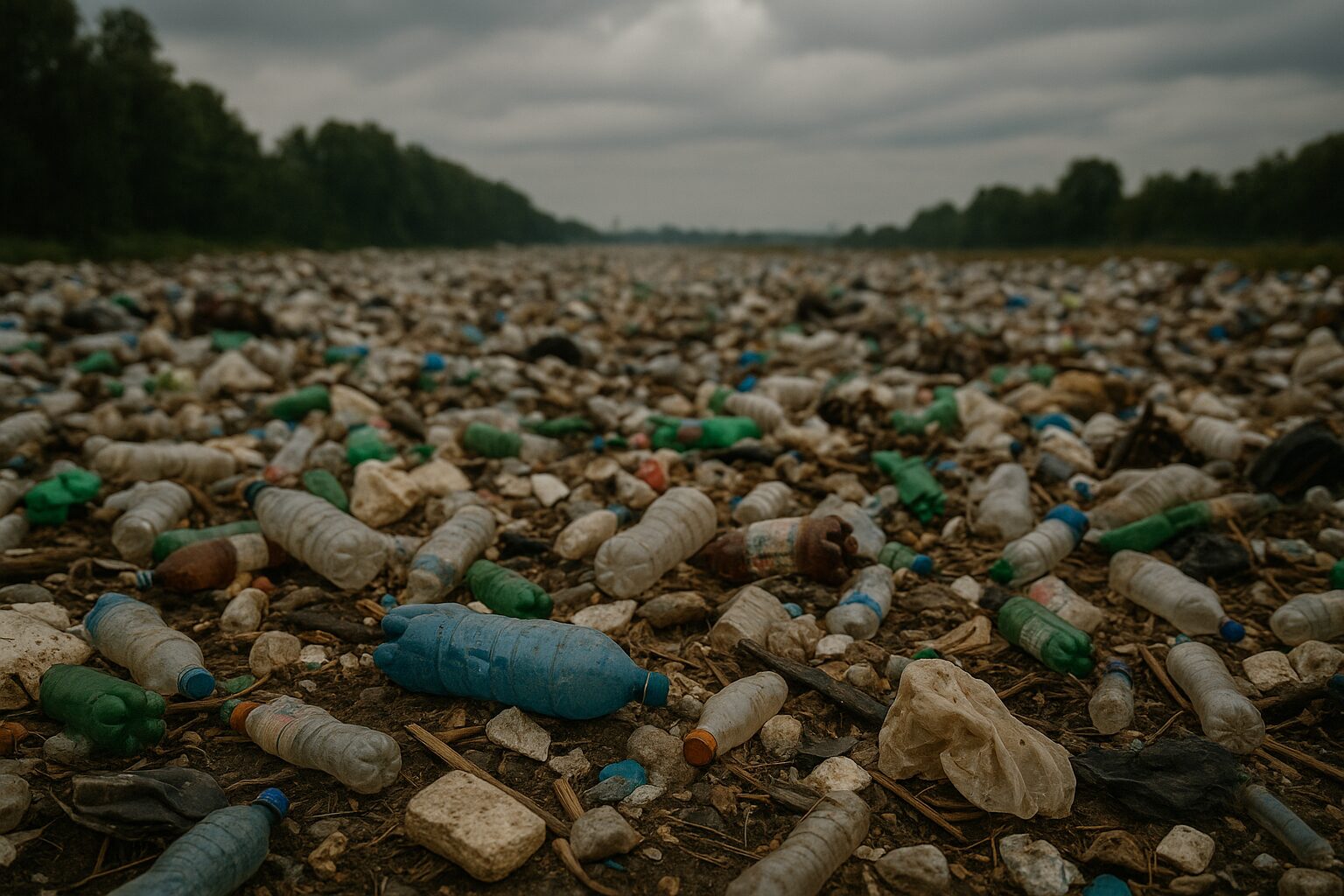
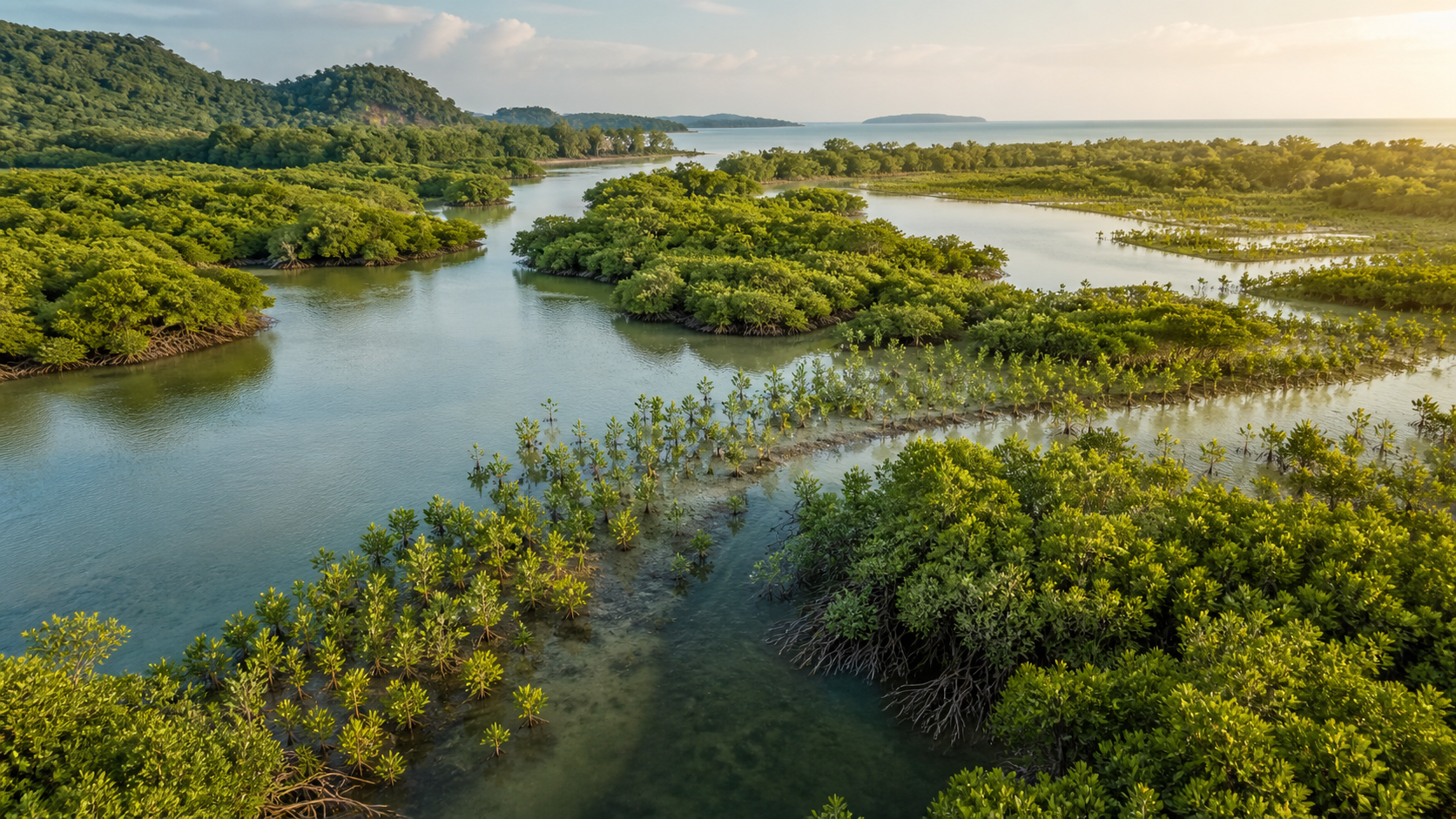
A new global record shows mangrove area shifted from net loss to net gain around 2010, offering cautious evidence that protection and natural recovery can work.
A long decline changes direction
Mangrove forests have spent decades under pressure from coastal development, aquaculture, agriculture, logging, pollution, and a changing climate. A global study published in Science now offers a rare piece of encouraging evidence: losses slowed, gains increased, and total mangrove area moved from net decline to net growth around 2010.
The research team assembled an annual record of mangrove extent and canopy condition from 1984 through 2023. It used observations from the Landsat satellite program, supported by higher-resolution imagery for validation. That long view allowed the scientists to distinguish short disruptions from a change in the global trajectory.
Across the full period, the researchers estimated that global mangrove extent changed only marginally, by approximately minus 0.5 percent with an uncertainty range of plus or minus 1.4 percent. That does not erase the destruction experienced in particular regions, but it is substantially more hopeful than a picture of uninterrupted worldwide decline.
NASA's account of the research says the rebound began around 2010. Gains during the following years nearly offset earlier losses, while many forests that survived the period of decline also developed denser canopy cover.
Recovery came from more than one path
The new forest area did not come from a single global planting campaign. Satellite images show natural expansion along sediment-rich coasts and river deltas, including locations in northern Australia, South Asia, the Middle East, and the Americas. Mangroves have also returned to some abandoned aquaculture areas.
Protection and restoration still matter. When damaging land conversion stops, mangroves can spread through natural propagation where tides, sediment, and space remain suitable. In other places, active restoration and long-term local management help damaged forests regain a foothold.
The United Nations Environment Programme highlighted projects in Kenya, Costa Rica, Benin, and Viet Nam that combine local stewardship, science, financing, and international cooperation. A separate regional program in the South China Sea and Gulf of Thailand supports protected areas, management planning, sustainable-use reforms, and restoration across several countries.
The lesson is practical rather than magical. Conservation can remove the pressure that prevents natural recovery, while well-designed restoration can help in places where ecosystems cannot restart on their own.
Why mangrove gains reach beyond the trees
Mangroves form living infrastructure along tropical and subtropical shores. Their roots slow water, hold sediment, reduce erosion, and create nursery habitat for fish and other species. Their wood, roots, and waterlogged soils also store carbon.
That makes a gain in mangrove area relevant to both nature and people. Healthier forests can support fisheries, buffer communities from some coastal hazards, improve habitat, and retain more carbon than degraded shorelines. Denser canopies in long-standing forests may strengthen some of those benefits even where the mapped boundary of a forest has not changed.
Satellite monitoring also makes the progress more visible. Field research remains essential, but a consistent global record can reveal where forests are expanding, where recovery is stalling, and where losses continue. It gives governments and communities a way to compare restoration promises with observed change.
A rebound worth protecting, not taking for granted
The global result is not a declaration that mangroves are safe. Loss continues in parts of West and Central Africa and other regions. Storms, erosion, pollution, deforestation, and rising seas can damage forests or prevent them from moving inland. Satellites can map canopy and area, but they cannot reveal every decline in biodiversity or water quality.
The study therefore supports a careful kind of optimism. Mangroves have demonstrated more resilience than many assessments assumed, and the global trend can improve when direct pressures ease. At the same time, the rebound remains uneven and vulnerable to renewed clearing and climate impacts.
The hopeful result is that decline is not the only possible direction. Four decades of observations show that natural regeneration, conservation, and restoration can add up to a measurable global change. Protecting existing forests and leaving room for mangroves to recover could turn today's fragile rebound into a lasting gain for coasts, wildlife, and communities.
Sources
- Science – Unexpected expansion and regrowth in Earth's mangrove forests over the past four decades
- NASA Science – Satellites show mangrove forest rebound
- UN Environment Programme – Mangroves are making a comeback
- PubMed – Study record and abstract
- Live Science – Independent report on the rebound and remaining risks